At Sweetwater Pain and Spine, we offer advanced, minimally invasive treatments tailored to relieve chronic pain and improve your quality of life. Click on any procedure below to learn what it is, who it helps, how it works, and what to expect. Many procedures use x-ray or ultrasound guidance for precision and comfort.
Neck and Head Pain Procedures
› Cervical Epidural Steroid Injection Reduces neck or arm pain by calming spinal nerve inflammation.
A cervical epidural steroid injection (CESI) delivers a corticosteroid and local anesthetic into the epidural space surrounding the spinal cord and nerve roots in the neck. The steroid reduces inflammation around compressed or irritated nerves, while the anesthetic offers immediate temporary relief. Relief typically begins within 3–7 days and can last weeks to months.
Who Might Benefit
- Herniated or bulging discs in the neck
- Cervical spinal stenosis
- Cervical radiculopathy (pinched nerve)
- Degenerative disc disease with nerve involvement
- Neck pain radiating into the shoulder, arm, or hand
How It Works
- Technique: Performed with fluoroscopy (x-ray guidance). A thin needle is guided to the cervical epidural space. Contrast dye confirms correct placement before medication is delivered.
- Duration: The procedure takes approximately 5–10 minutes. You will need a driver due to possible temporary arm numbness from the anesthetic.
- Effect: The steroid reduces nerve root swelling over several days. Relief can last weeks to months depending on the underlying condition.
Risks & Side Effects
- Temporary soreness at the injection site for 1–2 days
- Steroid side effects: Temporary flushing, elevated blood sugar (especially in diabetics), mild mood changes
- Rare: Infection, bleeding, nerve irritation, or spinal headache from accidental dural puncture
- No relief: Some patients do not respond to the injection
Before the Procedure
- Blood thinners: May need to be held several days prior — inform your provider
- Medical conditions: Notify us of diabetes, infections, or recent illness
- Diet: Normal diet for office procedures; fasting required if IV sedation is used
- Driver required due to possible temporary arm weakness
What to Expect After
- Rest the day of the procedure; resume normal activities the following day
- Avoid soaking (bath, pool, hot tub) for 2 days; showering is fine
- Ice the injection site 20–30 minutes every 1–2 hours for soreness; avoid heat for 1–2 days
- The anesthetic may give temporary relief for a few hours, then fades. True steroid relief begins in 3–7 days
- Full effect typically peaks at 1–2 weeks. Relief may last days to months depending on your condition
- Follow-up at 2–3 weeks to review results and plan next steps
› Cervical Medial Branch Blocks / Facet Joint Injections Eases neck pain from facet joint issues or arthritis.
Cervical facet joints are small joints on either side of each neck vertebra that guide movement and are a leading cause of chronic neck pain, especially after whiplash. A medial branch block (MBB) numbs the tiny nerves supplying these joints using local anesthetic under x-ray guidance — both diagnosing and temporarily treating the pain. If a block provides significant relief, radiofrequency ablation is then offered for lasting results.
Who Might Benefit
- Chronic neck pain worse with extension or rotation
- Neck pain following whiplash or motor vehicle accident
- Cervical facet joint arthritis or spondylosis
- Headaches arising from the back of the head (cervicogenic)
- Neck pain without significant radiation into the arm
How It Works
- Technique: Under x-ray guidance, small amounts of local anesthetic are precisely placed at the medial branch nerves that supply the facet joints
- Diagnostic purpose: If you experience ≥50–80% pain relief, it confirms the facet joints as the pain source and qualifies you for radiofrequency ablation
- Two diagnostic blocks are typically performed before proceeding to ablation per insurance guidelines
Risks & Side Effects
- Temporary soreness at injection sites for 1–2 days
- Rare: infection, bleeding, or allergic reaction to anesthetic
- Temporary neck stiffness or weakness immediately after
- Relief from the block is short-lived (hours to days) — it is primarily diagnostic
Before the Procedure
- Inform provider of all blood thinners or anticoagulants
- Report any active skin infection near the injection site
- Normal diet is fine; no fasting required for local anesthetic only
- A driver is recommended as a precaution
What to Expect After
- Keep a pain diary for 4–6 hours after the block — recording your relief percentage is critical for insurance approval of RFA
- Soreness at injection sites for 1–2 days is normal; ice as needed
- Relief duration: The local anesthetic wears off in hours; the block is primarily diagnostic
- If blocks are successful (≥50% relief), radiofrequency ablation will be planned for lasting pain control
› Cervical Radiofrequency Ablation Uses heat to disable neck pain-causing nerves for lasting relief.
Cervical radiofrequency ablation (RFA) uses precisely controlled radiofrequency energy to heat and temporarily disable the medial branch nerves that transmit pain signals from the cervical facet joints. Because these nerves have no motor function, ablating them causes no weakness or loss of function — only sustained pain relief lasting typically 9–24 months, after which nerves regenerate and the procedure can be repeated.
Who Might Benefit
- Chronic neck or upper back pain confirmed as facet-mediated
- Patients who achieved ≥50% relief from diagnostic medial branch blocks
- Whiplash-related chronic neck pain
- Cervicogenic headaches confirmed by C2/C3 blocks
- Cervical spondylosis with facet arthritis
How It Works
- Technique: Under fluoroscopic guidance, a radiofrequency needle is placed along the medial branch nerve. A small current heats the tip to ~80°C, creating a precise lesion that interrupts pain transmission
- Duration: The procedure takes 20–45 minutes depending on the number of levels treated
- Longevity: Relief typically lasts 12–24 months. When nerves regenerate, the procedure can be safely repeated
Risks & Side Effects
- Temporary increase in pain at treatment sites for 1–4 weeks while nerves heal
- Burning, buzzing, or hypersensitivity sensation over the treated area (usually resolves in weeks)
- Rare: infection, bleeding, or adjacent nerve injury
- Nerves regenerate over 12–24 months; pain may gradually return
Before the Procedure
- Two successful diagnostic medial branch blocks must be documented
- Blood thinners must be held as directed by your physician
- Report any active infection, fever, or skin issues near the neck
- A driver is required for the day of the procedure
What to Expect After
- Soreness and a burning sensation at the treatment sites is expected for 1–4 weeks — this is normal and does not mean the procedure failed
- Use ice for comfort; avoid heat directly over treatment areas for 1 week
- Pain relief typically begins at 2–4 weeks as the nerve fully stops transmitting pain, with maximal benefit at 4–8 weeks
- Duration of relief: Most patients enjoy 12–24+ months of meaningful pain reduction
- When pain returns as nerves regenerate, the procedure can be safely repeated
› Occipital Nerve Blocks Numbs the occipital nerve to ease chronic headaches or neck pain.
An occipital nerve block involves injecting local anesthetic and corticosteroid around the greater and/or lesser occipital nerves at the base of the skull. These nerves run from the upper cervical spine to the scalp and are a source of occipital neuralgia, cervicogenic headaches, and some migraines. The block interrupts the pain cycle and reduces nerve inflammation, often providing relief lasting weeks to months.
Who Might Benefit
- Occipital neuralgia (shooting pain from neck to scalp)
- Cervicogenic headaches (headaches originating from the neck)
- Chronic migraines — occipital blocks can reduce frequency
- Cluster headaches with occipital involvement
- Post-whiplash headaches
How It Works
- Technique: Small amounts of local anesthetic and steroid are injected at the base of the skull where the occipital nerves emerge from the upper cervical spine
- Duration: The procedure takes approximately 5 minutes. Most patients experience immediate relief from the anesthetic
- Mechanism: The steroid reduces nerve inflammation; repeat blocks can provide a cumulative benefit over time
Risks & Side Effects
- Temporary scalp numbness or tingling for a few hours
- Soreness at the injection site for 1–2 days
- Temporary hair loss at injection site (rare, with repeated steroid use)
- Rare: bleeding, infection, or intravascular injection
Before the Procedure
- No special preparation typically required
- Inform provider of blood thinners or anticoagulants
- Report any active infection or skin changes near the injection site
- A driver is recommended as a precaution
What to Expect After
- Immediate relief from the local anesthetic is expected and may last several hours
- The scalp may feel numb for a few hours — this is normal and temporary
- Steroid relief develops over 3–7 days and can last weeks to months
- Soreness at the injection site is normal; ice as needed
- Repeat blocks can be performed and often provide progressively longer relief
› Botox for Chronic Migraine FDA-approved preventive treatment for headaches 15+ days/month lasting 4+ hours.
OnabotulinumtoxinA (Botox) is the only FDA-approved preventive treatment for chronic migraine — defined as 15 or more headache days per month, each lasting 4 or more hours. Injected into specific head and neck muscle groups every 12 weeks, Botox blocks the release of pain neurotransmitters from nerve endings, reducing migraine frequency by an average of 8–9 headache days per month in clinical trials.
Who Might Benefit
- Chronic migraine: ≥15 headache days/month for 3+ months
- Patients who have failed 2 or more preventive migraine medications
- Those with significant migraine-related disability
- Patients seeking a non-oral, non-daily preventive option
- Note: NOT effective for episodic migraine (<15 days/month)
How It Works
- Technique: 155–195 units of Botox are injected across 31–39 sites in 7 head and neck muscle groups every 12 weeks
- Mechanism: Blocks release of CGRP and substance P from trigeminal nerve endings, reducing neurogenic inflammation that drives migraine
- Timeline: Most patients see improvement after 2 treatment cycles (6 months). Full benefit often seen at 3 cycles (9 months)
Risks & Side Effects
- Neck pain or stiffness in the first 1–2 weeks after treatment
- Temporary eyelid drooping (ptosis) — usually resolves within weeks
- Mild injection site soreness and bruising
- Rare: difficulty swallowing or muscle weakness (very low dose used)
- Botox does not accumulate in the body; effects wear off in 12 weeks
Before the Procedure
- Insurance typically requires documentation of ≥15 headache days/month — keep a headache diary
- Prior failure of 2+ preventive medications usually required for coverage
- Inform provider of any neuromuscular diseases (e.g., myasthenia gravis)
- No fasting or driver required — you can drive yourself
What to Expect After
- Do not rub or massage injection sites for 24 hours to prevent toxin spread
- Avoid lying down for 4 hours and strenuous exercise for 24 hours after treatment
- Improvement is gradual — most patients notice a reduction in migraine days within 2–4 weeks of the first treatment
- Full benefit typically requires 2–3 treatment cycles (6–9 months); do not discontinue after the first cycle if improvement is modest
- Treatments are repeated every 12 weeks; consistency is key to sustained benefit
Mid and Low Back Pain Procedures
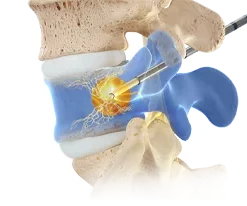
› Basivertebral Nerve Ablation (Intracept) Treats chronic lower back pain by targeting the basivertebral nerve inside the vertebral body.
The Intracept procedure targets the basivertebral nerve (BVN) — a small nerve inside each vertebral body that carries pain signals from the vertebral endplates, which are the top and bottom surfaces of each vertebra. Endplate inflammation (Modic changes on MRI) is a significant and often underappreciated cause of chronic low back pain. Intracept uses radiofrequency energy to ablate the BVN, eliminating this pain pathway. Clinical trials show lasting, significant improvement in pain and function.
Who Might Benefit
- Chronic low back pain lasting 6+ months
- Modic Type 1 or 2 changes on lumbar MRI (vertebral endplate inflammation)
- Pain not adequately relieved by conservative care
- Central or axial low back pain without significant radiculopathy
- Patients seeking a non-fusion, non-implant alternative
How It Works
- Technique: Under fluoroscopic guidance, a specialized cannula is directed through the pedicle into the vertebral body to the BVN location. Radiofrequency energy ablates the nerve inside the bone
- Duration: 45–75 minutes depending on number of levels. Performed under mild sedation
- Evidence: INSITE trial showed 75% of patients achieved clinically significant improvement at 1 year; results sustained at 5 years
Risks & Side Effects
- Post-procedure back pain for 1–2 weeks while the treated bone heals
- Rare: infection, injury to adjacent nerve roots
- No implants are placed — the procedure leaves nothing behind in the body
- Does not affect the disc or spinal canal
Before the Procedure
- MRI of the lumbar spine within 1 year is required showing Modic changes
- Blood thinners must be held per physician guidance
- Performed under mild sedation — fasting required (nothing to eat 6 hours prior)
- A driver is required for the day of the procedure
What to Expect After
- Post-procedure soreness in the lower back is expected for 1–2 weeks as the treated area heals
- Light activity is encouraged after 24 hours; avoid heavy lifting for 2 weeks
- Pain relief typically begins at 4–8 weeks and continues to improve over 3–6 months
- Most patients reach maximal benefit at 3–6 months; improvement is sustained for years in clinical trials
- Follow-up at 4–6 weeks to monitor progress
› Thoracic Epidural Steroid Injections Relieves mid-back or chest-wall pain from nerve irritation.
A thoracic epidural steroid injection (TESI) delivers corticosteroid and local anesthetic into the thoracic epidural space — the region surrounding the spinal cord and nerve roots in the mid-back (T1–T12). It is used to treat pain from disc herniations, nerve compression, and post-herpetic neuralgia in the thoracic region, including chest-wall and rib pain from intercostal nerve irritation.
Who Might Benefit
- Thoracic disc herniation or spinal stenosis
- Post-herpetic neuralgia (shingles pain in the chest/back)
- Intercostal neuralgia from thoracic nerve compression
- Thoracic radiculopathy causing chest-wall or abdominal pain
- Mid-back pain from degenerative disc or facet disease
How It Works
- Technique: Under fluoroscopic guidance, a thin needle is guided into the thoracic epidural space. Contrast confirms placement before medication is injected
- Duration: The procedure takes approximately 10–15 minutes
- Effect: Corticosteroid reduces nerve inflammation; relief begins in 3–7 days and can last weeks to months
Risks & Side Effects
- Temporary increased soreness at injection site for 1–2 days
- Transient numbness or weakness in the trunk or legs
- Rare: dural puncture causing spinal headache, infection, or bleeding
- Steroid side effects: transient flushing, elevated blood sugar
Before the Procedure
- Blood thinners must be held as directed
- Notify provider of diabetes, infections, or recent illness
- Normal diet for office procedures; fasting if IV sedation used
- A driver is recommended
What to Expect After
- Rest the day of procedure; resume activities the following day
- Avoid soaking for 2 days; showering is fine
- Temporary numbness in the trunk or legs may occur for a few hours — this is normal from the local anesthetic
- True steroid relief begins in 3–7 days; full effect at 1–2 weeks
- Follow-up at 2–3 weeks to assess response
› Thoracic Medial Branch Blocks / Facet Joint Injections Targets mid-back pain from thoracic facet joints.
The thoracic facet joints are a significant but often overlooked source of mid-back pain. These small joints stabilize the thoracic spine and can become arthritic or inflamed, causing axial mid-back pain that may radiate around the rib cage. A thoracic medial branch block (MBB) numbs the nerves supplying these joints to diagnose and treat the pain — and if successful, opens the door to radiofrequency ablation for longer-lasting relief.
Who Might Benefit
- Axial mid-back pain worsened by twisting or extending
- Thoracic facet arthritis or spondylosis
- Mid-back pain following thoracic spine surgery
- Pain at the middle of the back between the shoulder blades
- Mid-back pain without significant nerve compression symptoms
How It Works
- Technique: Under fluoroscopic guidance, local anesthetic is placed precisely at the medial branch nerves supplying the thoracic facet joints
- Diagnostic goal: ≥50% pain relief during the anesthetic window confirms facet-mediated pain and qualifies for RFA
- Two blocks are typically performed for insurance pre-authorization of RFA
Risks & Side Effects
- Temporary soreness at injection sites for 1–2 days
- Rare: pneumothorax (lung puncture) — the thoracic region requires careful technique but is safe in experienced hands
- The anesthetic relief is short-lived — this is a diagnostic procedure
Before the Procedure
- Blood thinners may need to be held — confirm with your provider
- Normal diet; no fasting required for local anesthetic only
- Keep a detailed pain diary after the block for insurance documentation
- A driver is recommended
What to Expect After
- Keep a pain diary documenting % relief during the 4–6 hours after the block — this is essential for RFA approval
- Soreness at injection sites is normal for 1–2 days
- Relief from the local anesthetic fades within hours; the block is primarily diagnostic
- If blocks confirm facet pain, thoracic RFA will be planned for sustained relief
› Thoracic Radiofrequency Ablation Provides long-term mid-back pain relief using precise heat.
Thoracic radiofrequency ablation (RFA) uses radiofrequency energy to ablate the medial branch nerves supplying the thoracic facet joints. After two successful diagnostic blocks confirm the facet joints as the pain source, RFA provides lasting relief — typically 12–18 months — by interrupting the pain signal pathway. The procedure has no effect on strength or sensation in the trunk or legs.
Who Might Benefit
- Chronic mid-back pain confirmed as facet-mediated by diagnostic blocks
- Thoracic spondylosis or facet arthritis
- Post-surgical thoracic spine pain from adjacent segment disease
- Patients requiring repeated facet injections for ongoing relief
How It Works
- Technique: Radiofrequency needles are placed at the medial branch nerves under fluoroscopy. Thermal energy (~80°C) creates precise lesions interrupting pain transmission
- Duration: 30–60 minutes depending on levels treated; performed under local anesthetic with or without sedation
- Longevity: Relief typically lasts 12–24 months; renewable when nerves regenerate
Risks & Side Effects
- Temporary increased mid-back soreness and burning for 1–3 weeks
- Rare: pneumothorax, infection, or adjacent nerve injury
- Nerves regenerate over 12–24 months, allowing the procedure to be repeated
Before the Procedure
- Requires successful diagnostic medial branch blocks at the same levels
- Blood thinners held as directed
- Driver required; avoid strenuous activity for 1–2 days after
What to Expect After
- Post-procedure soreness and burning at treatment sites is expected for 1–3 weeks — this is a normal healing response
- Pain relief begins at 2–6 weeks and continues to improve over the first 2 months
- Duration: Most patients experience 12–24 months of meaningful relief
- Use ice for comfort; avoid direct heat over treatment areas for 1 week
› Kyphoplasty Stabilizes painful spinal compression fractures to reduce pain and restore vertebral height.
Kyphoplasty is a minimally invasive procedure that treats painful vertebral compression fractures (VCFs) — most commonly caused by osteoporosis. A small balloon is first inflated inside the fractured vertebra to restore height and create a cavity, which is then filled with bone cement (polymethylmethacrylate). This stabilizes the fracture, dramatically reduces pain, and can correct spinal deformity. Studies show 90%+ of patients experience significant pain relief within days.
Who Might Benefit
- Osteoporotic vertebral compression fractures
- Painful VCFs that have not responded to conservative care after 4–6 weeks
- Fractures from cancer (metastatic disease in the vertebra)
- Progressive pain, height loss, or kyphosis (forward curvature)
- Fractures confirmed as painful and “acute/subacute” on MRI (edema signal)
How It Works
- Technique: Under fluoroscopic guidance and sedation, two small needles enter the fractured vertebra through the pedicles. Balloons are inflated to restore height and compact the trabecular bone, creating a cavity filled with bone cement
- Duration: Approximately 45–60 minutes; performed at a surgery center
- Effect: Cement hardens within 10 minutes, immediately stabilizing the fracture
Risks & Side Effects
- Cement leakage into adjacent structures (rare with kyphoplasty due to cavity creation)
- Adjacent vertebra fracture — the treated level becomes stronger, which may increase stress on neighboring levels
- Rare: infection, nerve injury, pulmonary cement embolism
- Bone cement is permanent — the stabilization is long-lasting
Before the Procedure
- Recent MRI confirming fracture edema (indicating an active, treatable fracture)
- Blood thinners held as directed — typically 5–7 days for warfarin
- Fasting required (nothing to eat 6–8 hours prior) — performed under sedation
- Driver required for the day of the procedure
What to Expect After
- Most patients experience dramatic pain relief within 24–48 hours of the procedure
- Some soreness at the access sites for 1–3 days is normal
- Resume light walking the day of or day after procedure; avoid heavy lifting for 6 weeks
- Osteoporosis treatment (calcium, vitamin D, bisphosphonates) is essential to prevent future fractures — your physician will coordinate this
- Follow-up at 2–4 weeks to assess recovery and plan osteoporosis management
› Lumbar Discography A diagnostic procedure that identifies which spinal discs are the source of your back pain.
Lumbar discography (provocative discography) is a specialized diagnostic procedure, not a treatment. A small amount of contrast dye is injected into each disc being evaluated. A “positive” response occurs when injection of a specific disc exactly reproduces your familiar, concordant pain — confirming that disc is a pain generator. A control disc with no pain response is used for comparison. Discography is typically performed before intradiscal treatments or spinal surgery to identify the exact disc(s) responsible for pain.
Who Might Benefit
- Patients with chronic axial low back pain not responding to other treatments
- Pre-surgical evaluation to confirm the disc level before spinal fusion
- Evaluation before intradiscal procedures (basivertebral nerve ablation, IDET)
- Patients with multi-level disc changes on MRI where the symptomatic level is unclear
How It Works
- Technique: Under fluoroscopy, a thin needle is placed into each disc being evaluated. Contrast is injected while the patient reports whether pain is reproduced and how closely it matches their typical pain
- Duration: 30–60 minutes. Sedation is typically light so the patient can provide accurate pain responses
- Goal: Identify concordant pain reproduction that confirms the disc as a pain generator
Risks & Side Effects
- Post-procedure disc space soreness lasting 24–72 hours — typically worse than usual back pain
- Rare: discitis (disc infection — 1 in 1000), which is why prophylactic antibiotics are always given
- Rare: nerve injury, bleeding, or allergic reaction to contrast dye
- The procedure is intentionally provocative — expect your familiar pain to be reproduced
Before the Procedure
- Inform provider of contrast dye allergies (iodine/shellfish allergy)
- Blood thinners held as directed
- Bring prior MRI images and reports
- Driver required; light sedation is typically used
What to Expect After
- Significantly increased back pain for 24–72 hours after the procedure is normal and expected
- Rest the day of and the day after the procedure; gradually return to normal activities
- Use ice and pain medications as prescribed by your physician for comfort
- Results will be interpreted by your physician and discussed at your follow-up visit to guide treatment planning
- Contact the clinic immediately if fever, chills, or rapidly worsening pain develops after 72 hours (signs of infection)
› Lumbar Epidural Steroid Injections Reduces lower back or leg pain from nerve inflammation.
A lumbar epidural steroid injection (LESI) delivers corticosteroid and local anesthetic into the lumbar epidural space — the area surrounding the spinal cord and nerve roots in the lower back. This bathes inflamed nerve roots in anti-inflammatory medication, reducing swelling and pain. LESIs are one of the most commonly performed and evidence-supported procedures in pain medicine, with most patients experiencing significant relief that allows them to participate in rehabilitation and avoid surgery.
Who Might Benefit
- Lumbar disc herniation causing sciatica or leg pain
- Lumbar spinal stenosis causing leg pain with walking
- Degenerative disc disease with nerve inflammation
- Lumbar radiculopathy (pinched nerve causing leg pain)
- Post-surgical back pain with residual nerve irritation
How It Works
- Technique: Under fluoroscopy, a needle is guided into the lumbar epidural space — either from the midline (interlaminar approach) or from the side (transforaminal approach). Contrast confirms placement before medication is delivered
- Duration: Approximately 10–15 minutes. A driver is required due to possible temporary leg weakness
- Effect: Corticosteroid reduces nerve root inflammation over 3–7 days; relief can last weeks to months
Risks & Side Effects
- Soreness at the injection site for 1–2 days
- Temporary leg weakness or numbness for a few hours after the procedure
- Rare: spinal headache from dural puncture, infection, or bleeding
- Steroid side effects: flushing, elevated blood sugar, temporary insomnia
- Rare: spinal cord injury (risk minimized with image guidance)
Before the Procedure
- Blood thinners must be held as directed by your physician
- Notify provider of diabetes, active infection, or recent illness
- Normal diet for office procedures; fasting required if IV sedation used
- Driver required due to temporary leg weakness risk
What to Expect After
- Rest the day of procedure; resume normal activities the following day
- Avoid soaking for 2 days; showering is fine
- Temporary leg numbness or weakness for a few hours is normal from the local anesthetic
- True steroid relief begins in 3–7 days; full effect typically peaks at 1–2 weeks
- Ice the injection site for comfort; avoid heat for 1–2 days
- Follow-up at 2–3 weeks to review response and plan next steps
› Lumbar Facet Joint Injection Eases lower back pain arising from facet joint issues.
Lumbar facet joint injections deliver corticosteroid and local anesthetic directly into the small facet joints of the lumbar spine. These joints guide movement and can become arthritic, inflamed, or injured, producing axial low back pain that may refer into the buttocks or thighs. Facet joint pain accounts for up to 40% of chronic low back pain and is highly treatable with targeted injections.
Who Might Benefit
- Axial low back pain (in the back itself, not primarily the leg)
- Pain worse with extension, rotation, or prolonged standing
- Lumbar facet arthritis visible on MRI or CT
- Pain referring into the buttock or back of the thigh (not below the knee)
- Low back pain without significant nerve compression symptoms
How It Works
- Technique: Under fluoroscopy, a thin needle is guided into the facet joint capsule. A small volume of contrast confirms intra-articular placement before corticosteroid and anesthetic are injected
- Duration: 10–15 minutes per joint; multiple levels may be treated in one session
- Effect: The steroid reduces joint inflammation; relief typically begins within 3–7 days
Risks & Side Effects
- Soreness at injection sites for 1–2 days
- Temporary increased back pain as the anesthetic wears off
- Rare: infection, bleeding, or nerve irritation
- Steroid side effects: flushing, elevated blood sugar (temporary)
Before the Procedure
- Blood thinners held as directed
- Inform provider of diabetes, infections, or relevant medical conditions
- Normal diet for office procedures
- Driver recommended as a precaution
What to Expect After
- Immediate relief from the local anesthetic for a few hours; the steroid takes 3–7 days to take full effect
- Rest the day of; return to normal activities the next day
- Ice the injection site for soreness; avoid heat for 1–2 days
- Follow-up at 2–3 weeks to evaluate results; if effective, medial branch blocks for RFA may be recommended for lasting relief
› Lumbar Medial Branch Blocks Targets the nerves supplying the facet joints to diagnose and relieve lower back pain.
Lumbar medial branch blocks (MBBs) are the gold-standard diagnostic procedure for facet-mediated low back pain. Local anesthetic is precisely placed at the medial branch nerves — the tiny nerves that carry pain signals from the lumbar facet joints. When the block provides significant relief (≥50–80%), it confirms the facet joints as the pain source and qualifies the patient for radiofrequency ablation — a procedure that can provide over a year of relief.
Who Might Benefit
- Chronic axial low back pain suspected to be facet-mediated
- Low back pain worsened by extension, rotation, or prolonged standing
- Pain referring into the buttocks or posterior thigh (not below the knee)
- Prior positive response to facet joint injections
- Patients being evaluated for lumbar radiofrequency ablation
How It Works
- Technique: Under fluoroscopy, local anesthetic is placed precisely at the medial branch nerves at the junction of the superior articular process and transverse process of each vertebra
- Diagnostic role: Two confirmatory blocks are typically required before RFA per insurance guidelines
- Relief: The anesthetic effect lasts hours to days; if ≥50% relief is achieved, RFA is indicated
Risks & Side Effects
- Soreness at injection sites for 1–2 days
- Rare: infection, bleeding, or intravascular injection
- Temporary numbness over the lower back
- The block is short-lived by design — it is a diagnostic tool
Before the Procedure
- Blood thinners may need to be held — confirm with provider
- Keep a detailed pain diary after the block to document relief
- Normal diet; no fasting required for local anesthetic only
- Driver recommended
What to Expect After
- Pain diary is critical: Record your pain level (0–10) every 30–60 minutes for 4–6 hours after the block
- The relief fades as the anesthetic wears off in a few hours — this is normal and expected
- Soreness at injection sites is common for 1–2 days; ice as needed
- If two successful blocks confirm facet pain, lumbar RFA will be planned for sustained relief
› Lumbar Radiofrequency Ablation Provides lasting lower back pain relief by ablating facet joint nerves.
Lumbar radiofrequency ablation (RFA) is one of the most effective and durable treatments available for facet-mediated low back pain. After two diagnostic medial branch blocks confirm the facet joints as the pain source, radiofrequency energy is used to create a precise thermal lesion on the medial branch nerves, interrupting pain signals for 12–24+ months. Because the procedure targets only sensory nerves with no motor function, there is no effect on strength or movement.
Who Might Benefit
- Chronic low back pain confirmed as facet-mediated by two diagnostic blocks
- Lumbar spondylosis or facet arthritis
- Patients requiring repeated facet or medial branch injections for ongoing relief
- Low back pain preventing normal daily activities or work
How It Works
- Technique: Under fluoroscopy, radiofrequency needles are placed along the medial branch nerves. After nerve stimulation confirms correct placement, thermal energy at ~80°C creates precise lesions
- Duration: 30–60 minutes depending on number of levels; performed under local anesthetic and optional light sedation
- Longevity: 12–24+ months of relief; repeatable when nerves regenerate
Risks & Side Effects
- Post-procedure “flare”: Temporary increase in lower back pain and burning sensation for 1–4 weeks — this is expected and does not mean the procedure failed
- Rare: infection, bleeding, cutaneous nerve injury causing numbness over the lower back
- Nerves regenerate over 12–24 months; the procedure is safely repeatable
Before the Procedure
- Two successful diagnostic blocks at the same levels are required
- Blood thinners held as directed by your physician
- Driver required for the day of the procedure
- Avoid strenuous activity for 1–2 days after the procedure
What to Expect After
- Expect soreness and a burning sensation at treatment sites for 1–4 weeks — this is a normal healing response, not a sign of failure
- Use ice for comfort; avoid direct heat over treatment areas for 1 week
- Pain relief begins at 2–6 weeks as nerve function is fully interrupted; maximal benefit typically at 4–8 weeks
- Most patients experience 12–24+ months of significant pain reduction
- When pain gradually returns as nerves regenerate, the procedure can be safely repeated
› Lumbar Selective Nerve Root / Transforaminal Epidural Injections Pinpoints and treats leg or back pain from specific compressed nerve roots.
A transforaminal epidural steroid injection (TFESI) — also called a selective nerve root block (SNRB) — delivers medication directly to a specific nerve root as it exits the spine through the foramen (a small opening between vertebrae). Unlike interlaminar ESIs that spread medication broadly, TFESIs target the exact nerve root causing symptoms, providing both highly precise diagnostic information and concentrated anti-inflammatory treatment at the exact pain source.
Who Might Benefit
- Sciatica from a specific lumbar disc herniation
- Lumbar radiculopathy with dermatomal leg pain, numbness, or weakness
- Foraminal stenosis compressing a specific nerve root
- Post-surgical radiculopathy with residual nerve root irritation
- Patients needing precise localization of the symptomatic nerve level
How It Works
- Technique: Under fluoroscopic guidance, a needle is placed in the foramen (opening) adjacent to the specific nerve root. Contrast confirms correct position before a small volume of steroid and anesthetic is injected
- Precision advantage: Delivers up to 6× higher steroid concentration to the target nerve vs. interlaminar approach
- Duration: 10–15 minutes. Can treat one or multiple levels
Risks & Side Effects
- Temporary increased leg pain or tingling for 24–48 hours as the nerve root is approached
- Transient leg weakness or numbness for a few hours
- Rare: intravascular injection, infection, dural puncture
- Steroid side effects: flushing, elevated blood sugar, insomnia (temporary)
Before the Procedure
- Blood thinners held as directed — critical at this location
- Inform provider of contrast allergy, diabetes, or active infection
- Driver is required due to risk of temporary leg weakness
- Normal diet for office procedures; fasting if IV sedation used
What to Expect After
- Driver required — temporary leg weakness or numbness may persist for a few hours
- Do not drive until full leg strength and sensation return
- Temporary worsening of leg pain for 24–48 hours is normal as the nerve root was stimulated during the procedure
- True steroid relief begins in 3–7 days; most patients experience significant leg pain reduction within 1–2 weeks
- Relief can last weeks to months; many patients experience long-term improvement as the disc heals and nerve inflammation resolves
› Sacroiliac Joint Injections Relieves lower back or buttock pain from sacroiliac joint dysfunction.
The sacroiliac (SI) joints connect the sacrum (base of the spine) to the iliac bones of the pelvis, transmitting forces between the upper body and legs. SI joint dysfunction is a surprisingly common and frequently missed cause of chronic low back and buttock pain, responsible for 15–25% of chronic low back pain cases. An SI joint injection delivers corticosteroid and local anesthetic precisely into the joint under fluoroscopic or CT guidance.
Who Might Benefit
- One-sided buttock pain, especially below the dimples of the lower back
- Pain radiating into the groin, hip, or posterior thigh
- Pain worsened by sitting, standing, or climbing stairs
- Post-lumbar fusion pain (common after surgery shifts stress to SI joints)
- Inflammatory sacroiliitis (ankylosing spondylitis, psoriatic arthritis)
How It Works
- Technique: Under fluoroscopy or CT guidance, a thin needle is guided into the SI joint. Contrast confirms intra-articular position before corticosteroid and anesthetic are injected
- Duration: Approximately 15–20 minutes
- Diagnostic value: If significant relief is achieved, the SI joint is confirmed as the pain source, qualifying for RFA or other procedures
Risks & Side Effects
- Soreness in the buttock or lower back for 1–2 days
- Rare: infection, bleeding, or nerve irritation
- Steroid side effects: flushing, elevated blood sugar (temporary)
- Rare: sciatic nerve irritation if medication spreads near the nerve
Before the Procedure
- Blood thinners held as directed by your physician
- Inform provider of contrast allergy, infections, or relevant conditions
- Normal diet for office procedures
- Driver recommended as a precaution
What to Expect After
- Immediate relief from the local anesthetic for a few hours; steroid relief develops in 3–7 days
- Soreness in the buttock or lower back for 1–2 days is normal; ice as needed
- Rest the day of; resume activities the following day
- Relief duration: Typically weeks to months; if relief is significant, SI joint RFA may be recommended for lasting control
- Follow-up at 2–3 weeks to evaluate response
› Sacroiliac Joint Radiofrequency Ablation Provides long-term relief for chronic SI joint pain using targeted heat.
Sacroiliac joint radiofrequency ablation (RFA) uses radiofrequency energy to interrupt the lateral branch nerves that supply the SI joint. Because the SI joint has a complex, multi-nerve supply (from L4 to S3 lateral branches), specialized cooled-RF or multi-tined electrodes are used to ensure adequate coverage. Following successful diagnostic SI joint injections, RFA provides relief typically lasting 9–18 months and can be repeated as needed.
Who Might Benefit
- Chronic SI joint pain confirmed by diagnostic injections
- Post-lumbar fusion SI joint pain
- Degenerative SI joint disease
- Patients requiring repeated SI joint injections for ongoing relief
- Buttock or pelvic pain significantly impacting daily function
How It Works
- Technique: Under fluoroscopy, cooled radiofrequency or multi-tined electrodes are placed along the lateral branch nerves supplying the SI joint. Thermal energy disrupts pain transmission from the joint
- Duration: 30–60 minutes depending on technique and number of sites
- Longevity: 9–18 months of relief; repeatable as nerves regenerate
Risks & Side Effects
- Post-procedure buttock soreness and burning for 1–3 weeks
- Temporary buttock or thigh numbness or burning from sensory nerve involvement
- Rare: infection, bleeding, or adjacent nerve injury
- Nerves regenerate over time; procedure is safely repeatable
Before the Procedure
- Requires prior successful SI joint injections confirming joint as pain source
- Blood thinners held as directed
- Driver required for the day of the procedure
What to Expect After
- Buttock soreness and burning for 1–3 weeks is normal and expected
- Relief develops over 2–6 weeks as the nerve function is fully interrupted
- Most patients experience 9–18 months of meaningful pain reduction
- The procedure can be repeated when nerves regenerate and pain gradually returns
› Caudal Epidural Injections Delivered through the sacral hiatus to ease lower back and leg pain.
A caudal epidural injection accesses the epidural space through the sacral hiatus — a naturally occurring opening at the base of the sacrum (tailbone). This approach is particularly useful for patients with prior lumbar spine surgery where scar tissue makes standard epidural entry difficult, or for those with significant lumbar stenosis or multilevel disease. A larger volume of medication bathes the lower lumbar and sacral nerve roots.
Who Might Benefit
- Post-lumbar surgery patients with scar tissue limiting other epidural access
- Multilevel lumbar stenosis or disc disease
- Lower lumbar or sacral radiculopathy (L5, S1 nerve root pain)
- Patients who have not responded to other epidural approaches
- Lower back and leg pain from sacral nerve root irritation
How It Works
- Technique: Under fluoroscopy, a needle enters through the sacral hiatus at the base of the tailbone. Contrast confirms epidural placement before corticosteroid and anesthetic are delivered
- Volume: A larger volume (10–20mL) is used compared to standard epidurals, spreading medication widely over the lower lumbar and sacral nerve roots
- Duration: Approximately 10–15 minutes
Risks & Side Effects
- Soreness at the tailbone injection site for 1–2 days
- Temporary leg numbness or weakness from the local anesthetic
- Rare: infection, dural puncture, or bleeding
- Steroid side effects: flushing, blood sugar elevation (temporary)
Before the Procedure
- Blood thinners held as directed
- Notify provider of contrast allergy, infections, or relevant conditions
- Driver required due to temporary leg weakness risk
- Normal diet for office procedures
What to Expect After
- Driver required — temporary leg numbness or weakness may occur for a few hours
- Do not drive until full leg function returns
- Rest the day of; resume activities the following day
- True steroid relief begins in 3–7 days; full effect at 1–2 weeks
- Follow-up at 2–3 weeks to evaluate response
Joint and Extremity Pain Procedures
› Peripheral Nerve and Joint Injections Ultrasound-guided corticosteroid or hyaluronic acid for shoulders, hips, knees, and more.
Peripheral nerve and joint injections use ultrasound or fluoroscopic guidance to deliver medication precisely into painful joints, bursae, or around peripheral nerves throughout the body. Ultrasound guidance dramatically improves accuracy over landmark-based injections — increasing successful intra-articular placement from ~65% (blind) to over 95% (ultrasound-guided) for joints like the hip and shoulder. Medications used include corticosteroids, hyaluronic acid (viscosupplementation), and platelet-rich plasma (PRP).
Who Might Benefit
- Osteoarthritis of the knee, hip, shoulder, or other joints
- Shoulder pain — subacromial bursitis, rotator cuff disease, AC joint pain
- Hip bursitis (greater trochanteric pain syndrome)
- Bursitis of the elbow (olecranon), knee (pes anserine), or other locations
- Inflammatory joint conditions (gout, rheumatoid arthritis flares)
How It Works
- Ultrasound guidance: Real-time imaging allows the physician to visualize the needle entering the target structure, confirming accurate placement before medication is delivered
- Corticosteroids reduce joint and bursa inflammation; hyaluronic acid lubricates arthritic joints; PRP stimulates natural healing
- Duration: 10–20 minutes depending on location
Risks & Side Effects
- Soreness at the injection site for 1–3 days; PRP injections may cause more temporary soreness
- Steroid “flare” — temporary increase in joint pain 12–48 hours after injection (1–10% of patients)
- Rare: infection, bleeding, or tendon weakening with repeated steroid use near tendons
- Hyaluronic acid: rare hypersensitivity reactions in some patients
Before the Procedure
- Inform provider of blood thinners, anticoagulants, or immunosuppressants
- Notify of any skin infection, rash, or open wound near the injection site
- Normal diet; no fasting required
- Driver not typically required unless sedation is used
What to Expect After
- Corticosteroid injections: Relief typically begins within 2–5 days and can last weeks to months
- Hyaluronic acid (knee): Full effect may take 3–5 weeks; relief can last 6 months or longer
- PRP injections: Soreness for 3–7 days is expected; improvement begins at 4–8 weeks as healing occurs
- Avoid strenuous activity of the treated joint for 24–48 hours after the injection
- Ice the joint for soreness; avoid heat for 24 hours
› Genicular (Knee) Nerve Blocks and Radiofrequency Ablation Targets the sensory nerves of the knee to provide months to years of arthritis pain relief.
Genicular nerve blocks and radiofrequency ablation (RFA) target the sensory nerves supplying the knee joint — specifically the superior medial, superior lateral, and inferior medial genicular nerves — without affecting knee strength or stability. This approach is particularly valuable for patients with knee osteoarthritis who are not yet ready for or do not want knee replacement surgery. RFA of the genicular nerves can provide 6–12+ months of meaningful knee pain relief.
Who Might Benefit
- Moderate to severe knee osteoarthritis
- Knee pain not adequately controlled by intra-articular injections or medications
- Patients wishing to delay or avoid knee replacement surgery
- Post-knee replacement patients with persistent knee pain
- Patients unable to undergo knee surgery due to medical conditions
How It Works
- Diagnostic block first: Local anesthetic is injected at the genicular nerves. If ≥50% relief is achieved, RFA is then performed
- RFA technique: Radiofrequency needles are placed at the same nerve locations. Thermal energy (~80°C) ablates the nerves, interrupting knee pain signals
- Duration: Diagnostic block takes 15 min; RFA takes 20–30 minutes. No effect on knee strength or stability
Risks & Side Effects
- Temporary soreness around the knee for 1–2 weeks
- Possible skin numbness over the knee (from cutaneous nerve involvement)
- Rare: infection, bleeding, or hyperpigmentation at needle sites
- Nerves regenerate over 6–12 months; procedure can be repeated
Before the Procedure
- Blood thinners held as directed
- Bring prior knee X-rays or MRI if available
- Normal diet; driver recommended
- Two diagnostic blocks may be required before insurance approval of RFA
What to Expect After (RFA)
- Knee soreness and burning around the treatment sites for 1–2 weeks is expected
- Pain relief begins at 2–4 weeks; full effect typically achieved at 4–8 weeks
- Duration: Most patients experience 6–12+ months of significant knee pain relief
- Knee strength is not affected — the procedure targets only sensory nerves
- When relief fades, the procedure can be safely repeated
› Carpal Tunnel Injections Eases wrist and hand pain, numbness, and tingling from carpal tunnel syndrome.
Carpal tunnel injections deliver corticosteroid directly into the carpal tunnel — the narrow passageway in the wrist through which the median nerve travels. The corticosteroid reduces swelling of the tendons and synovial tissue within the tunnel, relieving pressure on the median nerve. Performed with ultrasound guidance, the injection is highly accurate and significantly more effective than blind injection, often providing 3–12 months of relief and helping many patients avoid surgery.
Who Might Benefit
- Carpal tunnel syndrome causing numbness, tingling, or pain in the thumb, index, middle, and half of ring finger
- Nighttime hand symptoms waking you from sleep
- Mild to moderate CTS confirmed by symptoms and/or nerve conduction studies
- Pregnancy-related carpal tunnel symptoms
- Patients seeking to delay or avoid carpal tunnel release surgery
How It Works
- Ultrasound-guided technique: The median nerve is visualized in real time as the needle is placed within the carpal tunnel but safely away from the nerve. Corticosteroid is injected to bathe the nerve and reduce surrounding tissue swelling
- Duration: Approximately 5–10 minutes; no sedation required
- Relief: Begins within 3–7 days; can last 3–12 months
Risks & Side Effects
- Temporary wrist soreness for 1–2 days
- Rare: nerve injury (dramatically minimized with ultrasound guidance), infection, tendon weakening with repeated injections
- Temporary increased numbness or tingling for 24 hours as the injection settles
- Steroid side effects: mild flushing, blood sugar elevation (brief)
Before the Procedure
- Inform provider of blood thinners or anticoagulants
- Nerve conduction study (EMG/NCS) is helpful to document severity before treatment
- No fasting required; driver not typically needed
- Wear loose-fitting clothing so the wrist is easily accessible
What to Expect After
- Mild wrist soreness for 1–2 days is normal; ice as needed
- Temporary numbness or tingling for 24 hours is expected as the medication settles
- Relief begins in 3–7 days; nighttime symptoms typically improve first
- Full benefit is apparent at 2–4 weeks; can last 3–12 months
- If symptoms recur, repeat injection or nerve hydrodissection may be offered; persistent or worsening cases are referred for surgical evaluation
Regenerative Procedures
› Platelet Rich Plasma (PRP) Uses your own blood’s concentrated growth factors to stimulate natural healing in joints, tendons, and soft tissues.
Platelet Rich Plasma (PRP) is a regenerative therapy that uses the healing potential within your own blood. A small blood sample is drawn, then centrifuged to concentrate the platelets — which contain over 30 growth factors that signal the body to repair damaged tissue. This concentrated plasma is then injected precisely into the area of injury using ultrasound guidance. Unlike corticosteroids, PRP stimulates actual tissue healing rather than just suppressing inflammation, making it a powerful option for tendon, ligament, and joint conditions that have not healed with conventional treatment.
Who Might Benefit
- Chronic tendinopathy: Achilles, patellar, lateral epicondyle (tennis elbow), rotator cuff
- Partial tendon tears or ligament injuries
- Knee, hip, or shoulder osteoarthritis
- Plantar fasciitis not responding to other treatments
- Patients seeking a biological, non-steroid healing option
How It Works
- Blood draw: Approximately 30–60mL of your blood is drawn, then spun in a centrifuge to concentrate platelets to 5–10× normal blood concentration
- Ultrasound-guided injection: The concentrated PRP is injected precisely into the damaged tissue under real-time ultrasound visualization
- Mechanism: Growth factors (PDGF, TGF-β, VEGF, IGF-1) activate stem cells and fibroblasts to rebuild collagen and restore tissue integrity
Risks & Side Effects
- Expected soreness: 3–7 days of increased pain at the injection site as inflammatory healing begins — this is a positive sign
- Rare: infection (very low since it uses your own blood), nerve injury
- PRP should NOT be injected if you have active infection, certain blood cancers, or are on anticoagulant medications
- Not covered by most insurance plans — typically an out-of-pocket expense
Before the Procedure
- Stop NSAIDs (ibuprofen, naproxen, aspirin) for 1–2 weeks before PRP — they blunt the platelet activity and reduce PRP effectiveness
- Stay well hydrated — drink plenty of water the day before and morning of the procedure
- Eat normally before the procedure (blood draw is easier when nourished)
- Inform provider of any blood-thinning medications or supplements (fish oil, turmeric)
What to Expect After
- Soreness for 3–7 days after PRP is normal and expected — it indicates the healing response has been activated
- Avoid NSAIDs (ibuprofen, naproxen) for 4–6 weeks after PRP — they suppress the very inflammation needed for healing. Acetaminophen is acceptable for pain
- Reduce activity to the treated area for 1–2 weeks; a graduated rehabilitation program begins at 2–4 weeks
- Improvement is gradual — most patients begin to notice benefit at 4–8 weeks, with continued improvement over 3–6 months
- A second PRP injection at 6–8 weeks may enhance results for tendinopathies and certain joint conditions
› Prolotherapy A regenerative injection using dextrose solution to stimulate natural healing of damaged ligaments, tendons, and joints.
Prolotherapy (“proliferative therapy”) is a regenerative injection technique in which a dextrose (sugar water) solution is injected into damaged or weakened ligaments, tendons, and joints. The mildly irritating solution triggers a local inflammatory healing response — recruiting growth factors and fibroblasts that rebuild collagen and strengthen the treated structures. Prolotherapy has been used for over 75 years and has growing evidence for chronic ligament instability, tendinopathy, and certain joint conditions.
Who Might Benefit
- Chronic ligament laxity or instability (ankle, knee, SI joint)
- Degenerative tendinopathy unresponsive to other treatments
- Chronic low back pain related to SI joint or lumbar ligament laxity
- Knee osteoarthritis — evidence for cartilage-protective effects
- Patients seeking a natural, low-risk regenerative alternative
How It Works
- Mechanism: A concentrated dextrose solution (12.5–25%) is injected into the target structure. The mild osmotic irritation triggers controlled inflammation, activating the body’s natural healing cascade to rebuild collagen fibers
- Series of treatments: Prolotherapy typically requires 3–6 treatment sessions spaced 4–6 weeks apart for full benefit
- Image guidance: Ultrasound guidance ensures precise delivery to the target structure
Risks & Side Effects
- Post-injection soreness for 3–5 days is expected and part of the treatment mechanism
- Bruising and temporary swelling at treatment sites
- Very rare: infection, nerve irritation
- Most insurance plans do not cover prolotherapy — typically an out-of-pocket expense
Before the Procedure
- Avoid NSAIDs for 1–2 weeks before each session — anti-inflammatories blunt the healing response
- Stay well hydrated before each treatment session
- Eat normally; no fasting required
- Driver not typically required unless treating a large area with significant soreness
What to Expect After
- Soreness for 3–5 days is expected and indicates the healing response is active — this is the desired effect
- Avoid NSAIDs for 4 weeks after each session; acetaminophen is acceptable for comfort
- Improvement is gradual and cumulative — most patients notice meaningful benefit after the 2nd or 3rd session
- Full results are typically seen 4–8 weeks after completing the full series of injections
- Maintenance injections 1–2 times per year may be recommended for chronic conditions
Specialized and Other Pain Procedures
› Sympathetic Nerve Blocks Includes stellate ganglion (upper body) and lumbar sympathetic blocks (lower body) for CRPS and related conditions.
Sympathetic nerve blocks target the sympathetic ganglia — clusters of nerve cells that regulate blood flow, sweating, and pain processing in the limbs. In conditions like Complex Regional Pain Syndrome (CRPS) and certain cases of peripheral vascular disease, the sympathetic nervous system becomes dysregulated and drives severe, burning pain. A stellate ganglion block treats upper extremity symptoms; a lumbar sympathetic block treats lower extremity symptoms. These blocks can interrupt the pain cycle and provide both diagnostic and therapeutic benefit.
Who Might Benefit
- Complex Regional Pain Syndrome (CRPS) Type I or II of the arm or leg
- Hyperhidrosis (excessive sweating) of the hands or feet
- Post-herpetic neuralgia with sympathetically-maintained pain
- Peripheral vascular disease with rest pain
- Phantom limb pain with sympathetic component
How It Works
- Stellate ganglion block: Under fluoroscopy or ultrasound, local anesthetic is injected at the stellate ganglion at the base of the neck (C6-C7 level), blocking sympathetic nerves to the head, neck, and arm
- Lumbar sympathetic block: Local anesthetic is delivered at the L2–L4 level, blocking sympathetic supply to the lower extremity
- Duration: 15–20 minutes. A successful block produces a warm, red, dry limb (Horner syndrome for stellate)
Risks & Side Effects
- Stellate ganglion: Horner syndrome (ptosis, miosis, anhidrosis on the injected side) — expected, temporary, confirms success
- Hoarseness and temporary arm weakness from anesthetic spread
- Rare: pneumothorax (lung puncture), seizure from intravascular injection
- Lumbar block: Temporary leg weakness, hypotension with bilateral blocks
Before the Procedure
- Blood thinners held as directed by your physician
- Fasting may be required if sedation is used
- Driver required for stellate ganglion blocks — do not drive afterward
- Inform provider of all medications, especially blood pressure medications
What to Expect After
- Stellate ganglion: Expect a drooping eyelid, smaller pupil, and dry warm face/arm on the injected side — this is a sign the block worked and resolves in a few hours
- Warmth in the treated limb is the hallmark of a successful sympathetic block
- CRPS relief may last days to weeks per block; a series of blocks often produces progressively longer relief
- Early CRPS responds best — starting a series of blocks promptly after diagnosis improves outcomes
- Driver required — do not drive until full arm/leg function returns
› Groin and Pelvic Pain Peripheral Nerve Blocks Includes ilioinguinal, iliohypogastric, genitofemoral, and pudendal nerve blocks.
Groin and pelvic peripheral nerve blocks target specific nerves responsible for chronic pelvic, groin, and genital pain that is often challenging to treat with conventional therapies. These include the ilioinguinal nerve (inner groin/scrotum/labia), iliohypogastric nerve (lower abdominal wall), genitofemoral nerve (genitals/upper inner thigh), and pudendal nerve (perineum/genitals/anus). Ultrasound-guided delivery ensures precise, accurate placement with minimal discomfort.
Who Might Benefit
- Post-hernia repair groin pain (ilioinguinal/genitofemoral entrapment)
- Chronic pelvic pain from nerve entrapment
- Pudendal neuralgia (pain with sitting, perineal burning)
- Post-surgical pelvic or abdominal nerve pain
- Groin pain after hip surgery or C-section
How It Works
- Ultrasound guidance: The target nerve is visualized in real time, and local anesthetic (with or without steroid) is injected precisely around the nerve
- Diagnostic and therapeutic: A successful block confirms the nerve as the pain generator and provides immediate relief; steroid reduces ongoing nerve inflammation
- Duration: 10–20 minutes depending on the nerve targeted
Risks & Side Effects
- Temporary numbness in the groin, inner thigh, or genitals for a few hours
- Soreness at injection sites for 1–2 days
- Rare: bowel or bladder complications with pelvic injections (minimized with imaging guidance)
- Rare: infection or bleeding
Before the Procedure
- Blood thinners held as directed
- Notify provider of any pelvic or groin infections
- Normal diet; no fasting typically required
- Driver recommended due to temporary numbness
What to Expect After
- Immediate numbness in the groin or pelvis for a few hours is expected and normal
- Do not drive until sensation returns fully
- Steroid relief begins in 3–7 days; can last weeks to months
- For persistent nerve pain, pulsed radiofrequency treatment of the affected nerve may be recommended
› Trigger Point Injections Releases painful muscle knots (trigger points) causing localized and referred pain.
Trigger points are hyperirritable spots within taut bands of skeletal muscle that cause localized pain and refer pain to distant sites in predictable patterns. They are a primary cause of myofascial pain syndrome and commonly coexist with other pain conditions. Trigger point injections (TPIs) deliver local anesthetic (with or without corticosteroid) directly into these tender muscle knots, disrupting the pain cycle and promoting muscle relaxation. For refractory trigger points, botulinum toxin (Botox) provides longer-lasting relief.
Who Might Benefit
- Myofascial pain syndrome with palpable trigger points
- Neck, shoulder, upper back, or lower back muscle pain
- Tension-type headaches from pericranial trigger points
- Piriformis syndrome contributing to buttock and hip pain
- Chronic pain conditions complicated by muscle spasm
How It Works
- Technique: The trigger point is located by palpation or ultrasound. A thin needle is inserted directly into the taut band of muscle, causing a local twitch response that confirms correct placement
- Mechanism: The needle disrupts the dysfunctional motor endplate, while local anesthetic breaks the pain-spasm cycle
- Duration: 5–15 minutes; multiple trigger points can be treated in one session
Risks & Side Effects
- Soreness in the treated muscles for 1–3 days after the injection — more intense than usual muscle soreness
- Bruising at injection sites
- Rare: pneumothorax with thoracic trigger point injections (performed carefully with knowledge of anatomy)
- Rare: infection, nerve injury, or syncope (fainting)
Before the Procedure
- Inform provider of blood thinners or anticoagulants
- No special preparation or fasting required
- Wear comfortable, loose-fitting clothing for the area being treated
- Driver not typically required
What to Expect After
- Muscle soreness for 1–3 days is normal and expected — this means the trigger point was effectively disrupted
- Apply warm heat (not ice) to the treated muscles after the first 24 hours to reduce soreness and promote relaxation
- Gentle stretching of the treated muscles in the days after the injection enhances and prolongs the benefit
- Pain relief typically begins as soreness fades, usually within 3–5 days
- Repeat injections can be performed as needed; physical therapy targeting the muscle is recommended for lasting results
› Ganglion Impar Block Relieves tailbone (coccyx) pain, coccydynia, and perineal/rectal pain.
The ganglion impar (also called the ganglion of Walther) is a single sympathetic ganglion located at the junction of the sacrum and coccyx (tailbone). It receives pain signals from the perineum, distal rectum, anus, vagina, and distal urethra. A ganglion impar block delivers local anesthetic and/or corticosteroid to this ganglion, interrupting sympathetically-mediated perineal and tailbone pain. It is a highly effective, underutilized treatment for a challenging and often overlooked group of pain conditions.
Who Might Benefit
- Coccydynia (tailbone pain) — acute or chronic
- Perineal pain (pain in the area between the legs)
- Rectal pain (proctalgia) or anal pain
- Pelvic pain following radiation therapy to the pelvis
- Cancer-related perineal or pelvic pain
How It Works
- Technique: Under fluoroscopic guidance, a thin needle is placed at the sacrococcygeal junction. Contrast confirms correct placement before local anesthetic and corticosteroid (or neurolytic agent for cancer pain) is delivered
- Duration: Approximately 10–15 minutes
- Mechanism: Interrupts sympathetically-mediated pain signals from the pelvic floor and perineal structures
Risks & Side Effects
- Soreness at the tailbone injection site for 1–2 days
- Temporary numbness in the perineum or anal area for a few hours
- Rare: infection, bleeding, or rectal perforation (minimized with image guidance)
- Steroid side effects: flushing, temporary blood sugar elevation
Before the Procedure
- Blood thinners held as directed
- Normal diet for office procedures
- Bowel preparation may be recommended — confirm with your provider
- Driver recommended as a precaution
What to Expect After
- Temporary perineal or anal numbness for a few hours is expected and resolves fully
- Soreness at the tailbone for 1–2 days is normal; ice as needed
- Steroid relief begins in 3–7 days; can last weeks to months
- Repeat blocks can be performed; for prolonged relief, radiofrequency ablation of the ganglion impar may be recommended
› Spinal Cord Stimulation A reversible, implantable neuromodulation therapy for chronic pain conditions that have not responded to other treatments.
Spinal cord stimulation (SCS) is an advanced neuromodulation therapy that uses mild electrical impulses delivered via thin electrodes in the epidural space to modify pain signal processing at the spinal cord level. Unlike treatments that target the source of pain, SCS changes how the nervous system perceives pain — essentially disrupting the transmission of pain signals before they reach the brain. Modern SCS systems use high-frequency, burst, and closed-loop programming that eliminates the “tingling” sensation of older systems, providing natural pain relief.
Who Might Benefit
- Failed back surgery syndrome (post-laminectomy syndrome)
- Chronic radiculopathy (persistent arm or leg pain) not responding to other treatments
- Complex Regional Pain Syndrome (CRPS) — one of the best-evidence indications
- Diabetic peripheral neuropathy
- Chronic low back and leg pain from failed conservative therapy
How It Works — 2 Phases
- Trial phase (3-7 days): Thin electrode leads are placed in the epidural space under light sedation and connected to an external stimulator. You evaluate pain relief at home — if ≥50% improvement, you proceed to permanent implant
- Permanent implant: A small pulse generator (like a pacemaker) is implanted under the skin of the abdomen or buttock. You control stimulation with a handheld remote
- Fully reversible: The system can be removed or turned off at any time
Risks & Side Effects
- Lead migration (movement of electrode from original position) — may require repositioning
- Infection at the implant site (1–3%) — managed with antibiotics or explant if severe
- MRI limitations — most modern systems are MRI-conditional; confirm before any MRI after implant
- Hardware failure requiring replacement (rare)
- Battery replacement required every 5–10 years (rechargeable systems last longer)
Before the Procedure
- Psychological evaluation may be required by insurance to confirm readiness for implantable therapy
- Blood thinners held as directed — typically 7 days prior
- Fasting required (nothing to eat 6–8 hours before) — performed under sedation
- Inform provider of any implanted devices (pacemaker, defibrillator)
What to Expect After
- Trial phase: Keep an accurate daily pain diary during the 3-7-day trial — document activity levels, pain scores, and medication use
- Restrictions during trial: Avoid bending, twisting, and reaching overhead; no showering — the exit site must stay dry
- After permanent implant: Lifting restrictions (nothing over 5 lbs) for 6 weeks while the device heals into place
- Programming adjustments: Multiple follow-up visits optimize the stimulation parameters for your specific pain
- Long-term: Most patients achieve ≥50% pain reduction. SCS is reversible and does not burn bridges for other treatments
Neurological and Musculoskeletal Conditions
› Botox for Limb Spasticity Reduces abnormal muscle stiffness and painful spasms in arms or legs caused by neurological conditions.
Spasticity is a condition of involuntary muscle stiffness, spasms, and overactivity caused by damage to the brain or spinal cord’s motor control pathways. It affects millions of people with stroke, multiple sclerosis, cerebral palsy, spinal cord injury, and traumatic brain injury. OnabotulinumtoxinA (Botox) injected into specific spastic muscles temporarily reduces their overactivity by blocking the nerve-muscle junction, improving movement, reducing pain, and making rehabilitation more effective — without causing weakness in non-targeted muscles.
Who Might Benefit
- Upper limb spasticity from stroke (wrist/finger flexors, elbow flexors)
- Lower limb spasticity causing equinovarus foot deformity or scissor gait
- Spasticity from multiple sclerosis, cerebral palsy, or spinal cord injury
- Painful muscle spasms limiting function, hygiene, or rehabilitation
- Patients with contracture risk requiring prevention
How It Works
- EMG or ultrasound guidance: Our PM&R physicians use electromyography (EMG) or ultrasound to precisely target overactive muscles, confirming correct needle placement before Botox is injected
- Mechanism: Botox blocks acetylcholine release at the neuromuscular junction, selectively reducing the overactivity of the injected muscles without affecting neighboring muscles
- Duration: 30–60 minutes depending on number of muscles treated; injections repeated every 12–16 weeks
Risks & Side Effects
- Temporary weakness in injected muscles — typically less than 4–6 weeks as muscles adjust
- Soreness at injection sites for 1–3 days
- Rare: spread to adjacent muscles causing unintended weakness
- Dysphagia (difficulty swallowing) if treating cervical muscles — very rare with limb injections
- Effects wear off in 12–16 weeks; ongoing treatment is required for sustained benefit
Before the Procedure
- Inform provider of neuromuscular diseases (myasthenia gravis, Lambert-Eaton syndrome — relative contraindications)
- Inform provider of aminoglycoside antibiotic use (can potentiate Botox effect)
- No fasting or driver required for limb injections
- Insurance pre-authorization is typically required; physician will assist with documentation
What to Expect After
- Onset of effect: 1–2 weeks after injection; full effect at 4–6 weeks
- Soreness in injected muscles for 1–3 days is normal; heat or ice as comfortable
- Physical/occupational therapy should be initiated or intensified after Botox — the window of reduced spasticity is the optimal time for rehabilitation exercises and stretching
- Duration of effect: 12–16 weeks; injections are repeated on a schedule to maintain benefit
- Splinting or casting may be recommended alongside Botox to maximize range of motion gains
Ready to find relief? Our fellowship-trained, board-certified specialists are here to help you find the right treatment.